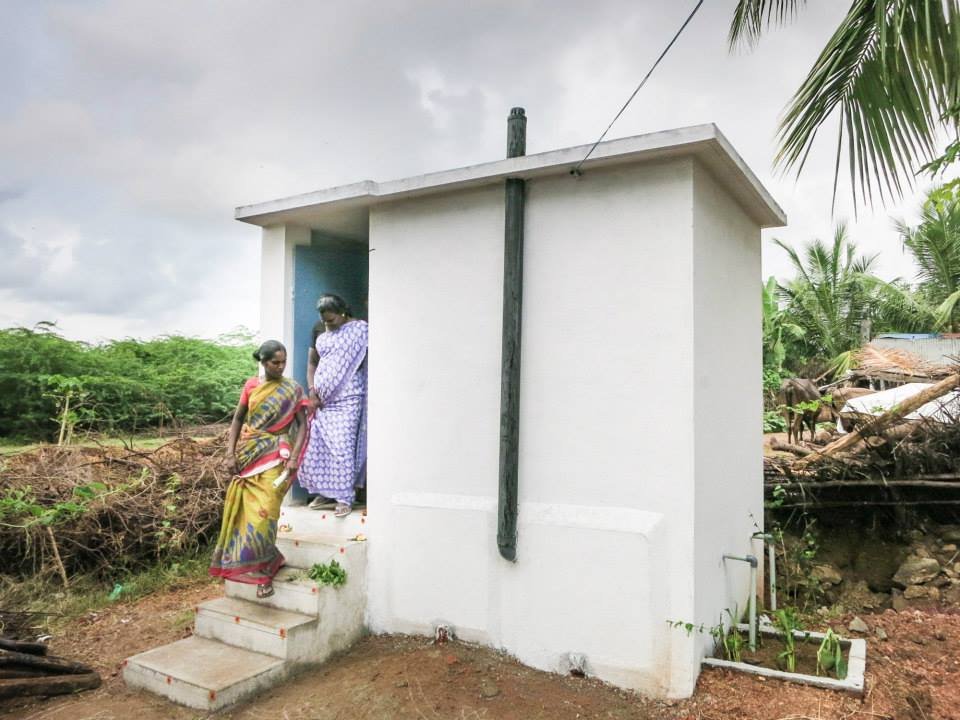
Ecosan final building
Bootheri, a ward of Tindivanam municipality in Tamil Nadu, faced significant sanitation challenges in 2010. Home to approximately 250 families, the area lacked sewage treatment systems and had very few toilets. Most residents practiced open defecation, which exposed them to health risks, such as feces-borne diseases, and physical dangers, including scorpion and snake bites. Women, in particular, faced additional concerns regarding privacy and safety.
EcoPro stepped in with an innovative solution: urine-diverting dry toilets (UDDTs). These eco-friendly toilets offered a sustainable and water-efficient alternative, ideal for areas with limited water supply and no access to sewage infrastructure.
Bootheri, a ward of Tindivanam municipality in Tamil Nadu, faced significant sanitation challenges in 2010. Home to approximately 250 families, the settlement had a few flush toilets but lacked sufficient water supply and sewerage and sewage treatment. Most residents practiced open defecation, which exposed them to health risks from feces-borne diseases, especially during rain season, and to the physical dangers of scorpion and snake bites. Women, in particular, faced additional concerns regarding privacy and safety.
EcoPro stepped in offering the construction ofurine-diverting dry toilets (UDDTs). These eco-friendly toilets would provide a sustainable and water-efficient alternative, ideal for areas with limited water supply and without wastewater infrastructure.
Steps Taken to Improve Sanitation
EcoPro tackled Bootheri’s sanitation challenges through a blend of construction and community engagement:
Educational meeting
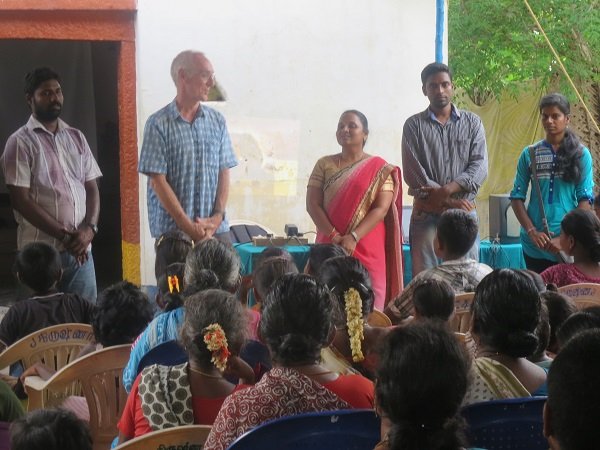
- Community Involvement: Open meetings introduced UDDTs and gathered input from residents, with women advocating for integrated shower space.
- Construction of Toilets: Between 2011 and 2015, 54 UDDTs were built with funding from the GLS Future Foundation (Germany), ensuring community buy-in by constructing only upon household requests.
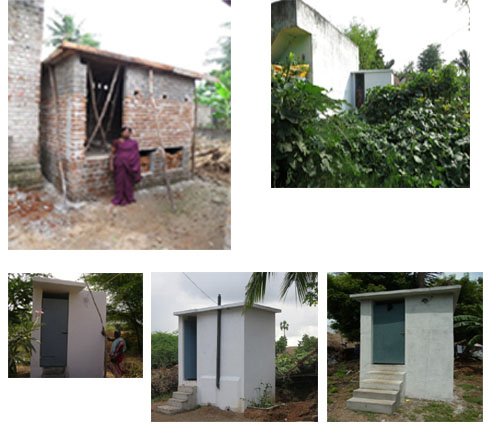
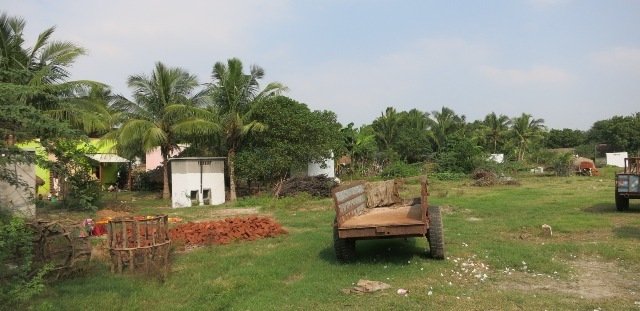
New UDDT toilet under construction and new toilet buildings
- Creative Outreach:
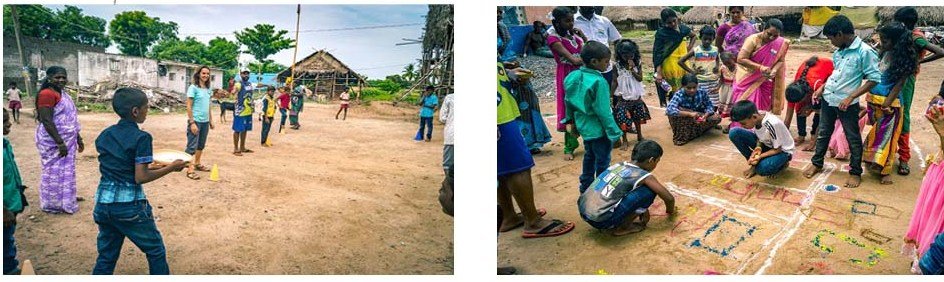
-Sports and Hygiene: Frisbee games with children in open defecation areas sparked hygiene discussions.
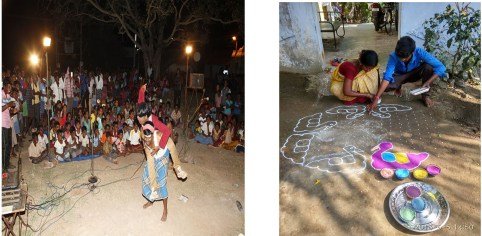
-Street Theatre: A comedic play highlighted sanitation’s importance in an engaging way.
-Workshops and Visits: Women’s groups discussed hygiene, while farmers learned to use urine as fertilizer and visited well-maintained UDDTs.
This approach combined practical infrastructure with education and community engagement to encourage lasting behavioural change.
Frisbee games and mapping of open defecation places.
Educational performance of Yatra Nova Theatre Auroville and kolam competition
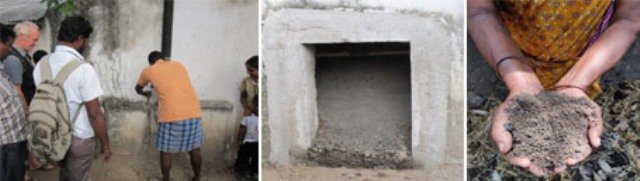
The whole compost procedure:
Opening the feces chamber and the content of one year. It is clean, dry and odor free.
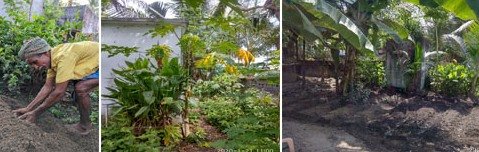
Application of the feces as a fertilizer. Plants growing with the help of human feces: Chilli pepper,
brinjal and apple custard.
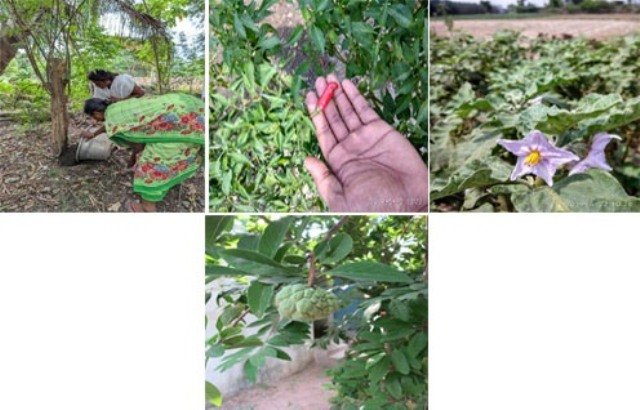
A happy farmer and two kitchen gardens fertilized with dried human feces
Impact Highlights
- Toilet Usage: By 2018, 82% of the UDDTs were in use. While some were used by all household members, others were primarily used by women and children.
- Cost Savings in Agriculture: Farmers using urine as fertilizer reported significant cost reductions, with one farmer achieving comparable yields to synthetic fertilizers while saving 60% in expenses.
- Behavioural Shifts: Months of community interaction helped break social taboos around sanitation. Residents who initially resisted discussing toilets began sharing success stories.
Challenges & Lessons Learned
Despite progress, several challenges remain:
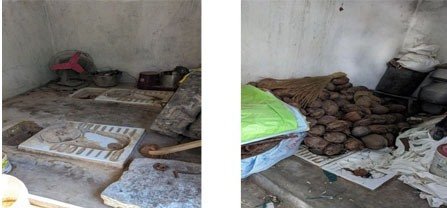
- Some toilets were repurposed as storerooms or other non-sanitation spaces.
- Inconsistent cleanliness and maintenance discouraged regular use by all family members.
- Long-standing cultural beliefs and societal norms around waste management required sustained efforts to change.
Misused toilets
Through this project, EcoPro learned that effective sanitation solutions go beyond infrastructure. Lasting success requires community participation, respect for local customs, and creative engagement strategies to shift mindsets.
Despite progress, several challenges remain:
- Some toilets were repurposed as storerooms or other non-sanitation spaces.
- Inconsistent cleanliness and maintenance discouraged regular use by all family members.
- Long-standing cultural beliefs and societal norms around waste management requiresustained efforts to change.
While EcoPro had been aware that effective sanitation solutions go beyond infrastructure, through this project the team learned that the core motivation for lasting behavioural change of UDDT users was not different from the motivation of toilet users in general: convenience, comfort, and privacy. Lasting success requires not only community participation, but also creative strategies to shift mindsets and large-scale societal engagement with caste status and concepts of cleanliness and purity.
Looking Ahead
EcoPro continues to support UDDT users by providing maintenance assistance and educational resources. While occasional requests for new toilets arise, the focus has shifted to sustaining and optimizing existing systems. The project’s findings are also shared through published research to contribute to broader sanitation efforts.
This project highlights the transformative power of ecological solutions when combined with community empowerment and education, showcasing a sustainable path forward for sanitation in resource-constrained areas.
EcoPro continues to support UDDT users by providing maintenance assistance and educational resources. While occasional requests for new toilets arise, the focus has shifted to sustaining and optimizing existing systems. The project’s findings are also shared through published research to contribute to broader sanitation efforts.
This project highlights the transformative power of ecological solutions when combined with community empowerment and education, showcasing a sustainable path forward for sanitation in resource-constrained areas.
New UDDT toilets
Village actions:
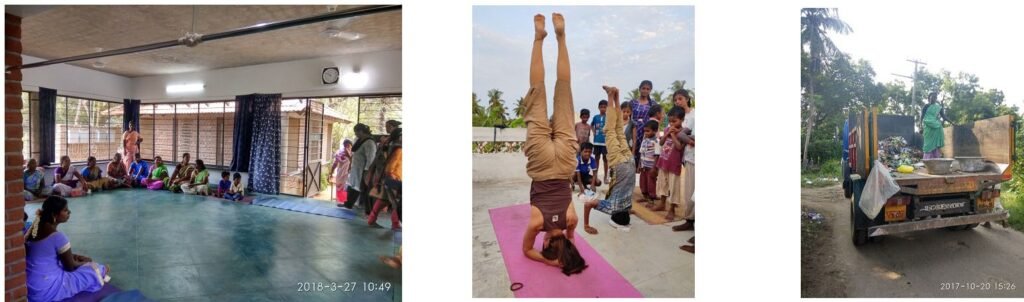
Women hygiene workshop in Bootheri and candle making workshop for women from Bootheri in
Auroville
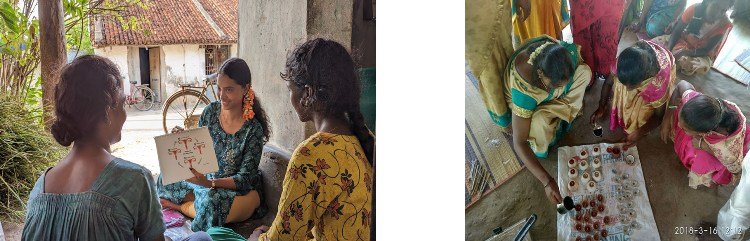
Bootheri women at Life Education Center Auroville, Yoga in Bootheri with Auroville teacher and street
garbage cleaning